+86-13944157533
  cchm@hmfoodtech.com
+86-13944157533
cchm@hmfoodtech.com
cchm@hmfoodtech.com
+86-13944157533
cchm@hmfoodtech.com
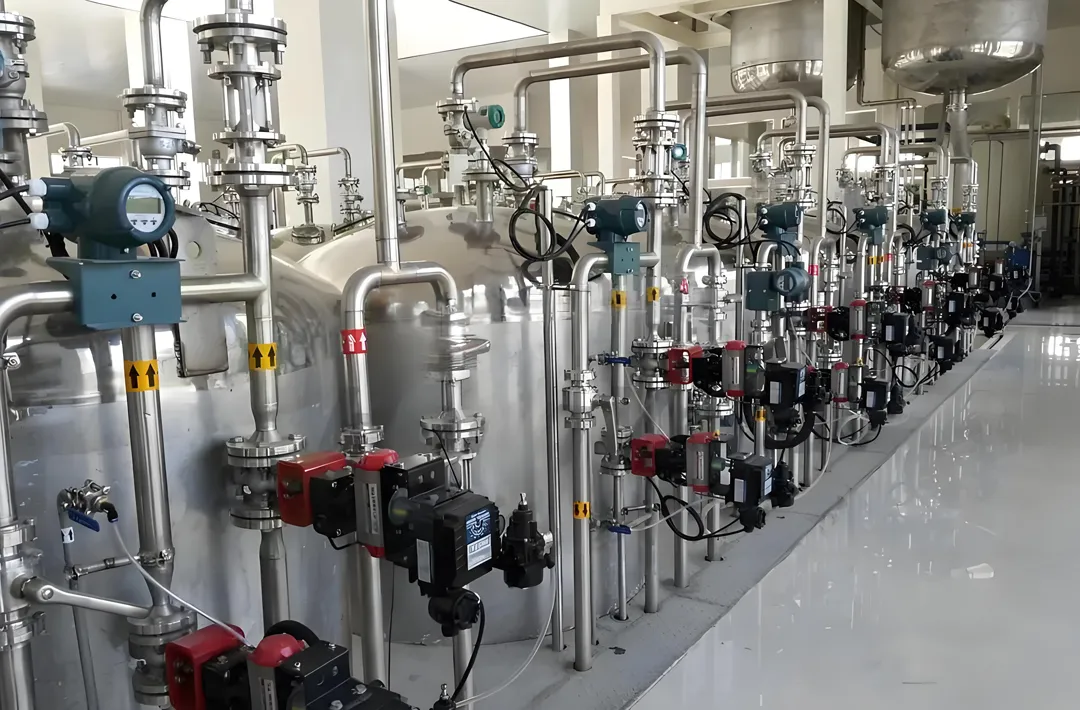
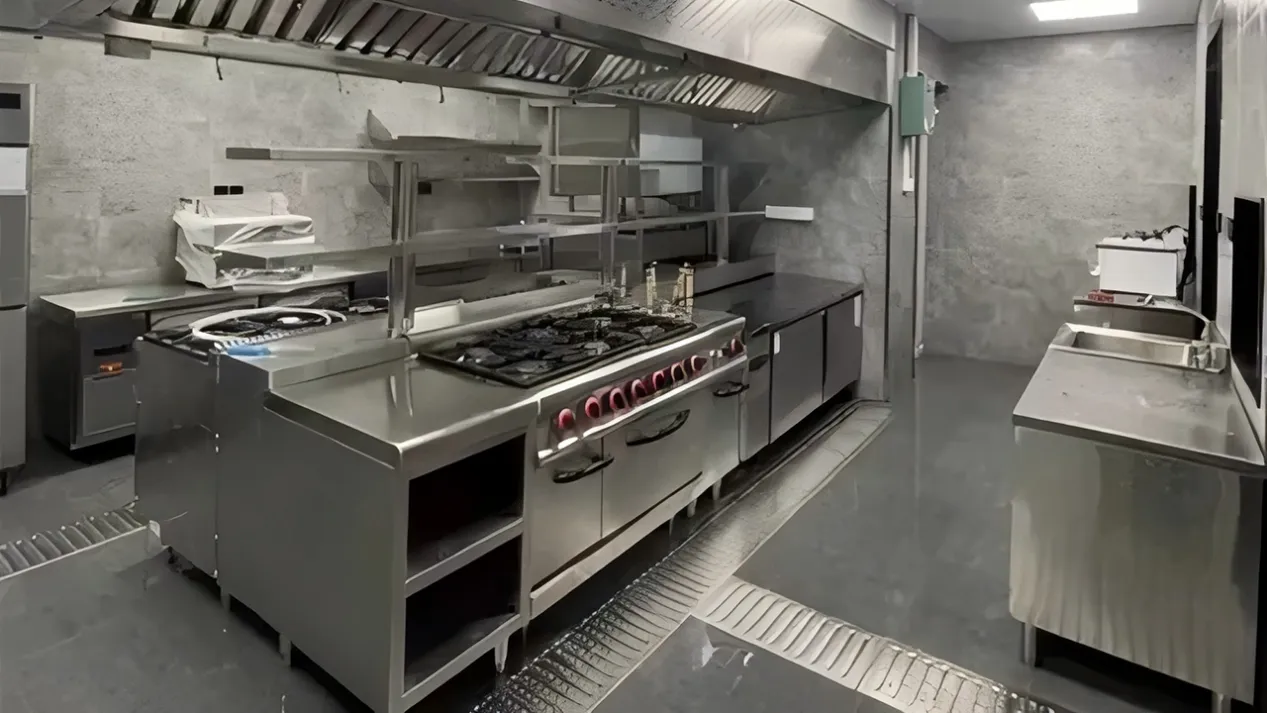
Food processing takes many different forms. Some foods require little or no processing, like an apple that can be picked from the tree and eaten immediately. Others are inedible unless they undergo some type of processing.
Food processing methods fall into three categories: primary, secondary and tertiary.
Primary Food Processing
Primary food processing is the process of turning raw agricultural products into foods that can be consumed.
Secondary Food Processing
Secondary food processing is the process of using ingredients produced through primary food processing to create ready-to-eat foods.
Tertiary Food Processing
Tertiary food processing is the large-scale manufacturing of ready-to-eat foods, like frozen pizzas and packaged snacks. The term “processed food” typically refers to food products manufactured through tertiary food processing.
1. Automation and Robotics
From raw materials to the final product, automation in the food processing equipment helps along the supply chain.
2. Artificial Intelligence and Machine Learning
Artificial Intelligence (Al) and Machine Learning (ML) systems can predict equipment failures,come up with required maintenance and reduce downtime.
3. IoT for Connectivity and Predictive Maintenance
IoT improves remote monitoring and control of machinery.
4. Sustainability and Energy Efficiency
People are inclined more towards sustainable practices in the food processing industry.
5. Energy-Efficient System
Energy-eficient systems are needed in the food processing industry for the main reason: utilisation of minimum energy.
6. Circular Economy and Waste Management
The by-products produced during the food processing can be recycled.
7. Precision and Sanitisation
people are more inclined towards precision and sanitisation in the case of food processing.